Movies in Original Language

Cologne • 52 movies in OV/OmU/OmeU versions, shown in 12 cinemas
 Feeling overwhelmed by the number of movies? Use the filters below to narrow down your choices. You can hide movies you've already seen or aren't interested in.
 No showtimes on this day match your current filters. You can adjust the filters above.
 | |
 Drama
Drama FSK 12
 Arabic, English
 OmU
OmU 7.9
7.9 4.2
4.2 100%
100% 100%
100%
| |
 | |

 | |
| |
 | |
| |
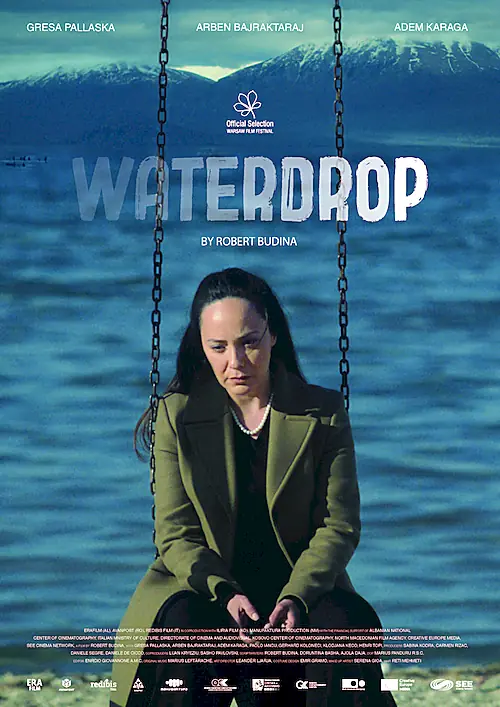
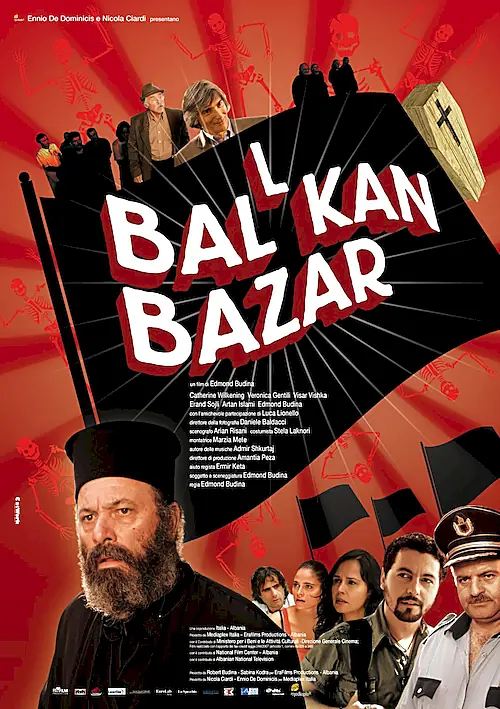 | Would you sell the bones of your father or grandfather, if this was a millionaire business? Jolie (French) and Orsola (Italian), discover in s village in the South of Albania, the most bizarre Bazaar where bones can be bought and sold. Why not profit, themselves, by selling the bones of their father and grandfather in exchange for true love? Our story is based on actual events, happened in the South of Albania years ago, based in the old Balkan saying: the place in which the grave of a compatriot has endured the trials of time, is a place worth dying for. |
| |
 | |
| |
 | |
| |
 | |
| |
 | |
| |
 | |
 | |
| |
 | |
| |
 | |
 | |
| |
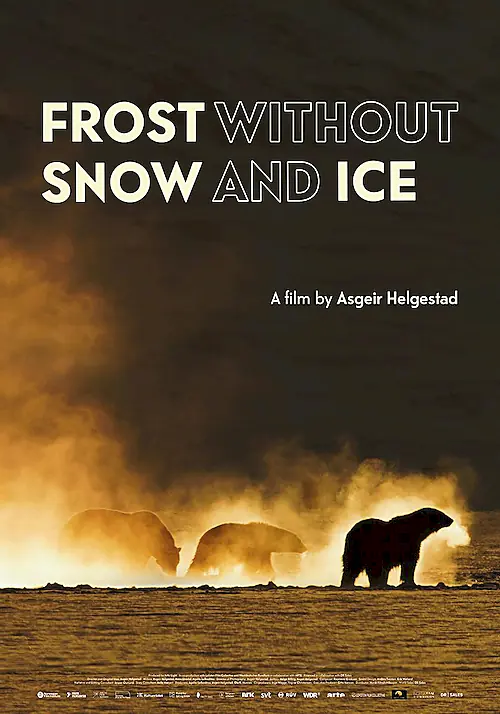 | For ten years, Norwegian filmmaker Asgeir has followed the extraordinary life of a polar bear named Frost - a mother struggling to raise her cubs in a rapidly changing Arctic. What begins as observation slowly becomes an intimate journey of survival and love, conflict and loss, transforming Asgeir from a quiet witness into a storyteller. Driven by a deep connection to nature, he seeks to reveal the devastating impact of climate change on Frost's home, Svalbard - the fastest-warming place on earth. As Asgeir confronts the consequences of human actions, he reflects on his encounters with Frost and asks: can empathy and understanding bridge the gap between humans and other animals before it's too late? |
 | |
 | |
| |
 | |
 | |
 | |
 | |
| |
 | Tate Britain is now holding the first major retrospective of Whistler in three decades. This blockbuster exhibition promises to reawaken the world to just how important Whistler is to art history, uniting world-famous masterpieces with rarely seen works. Exhibition on Screen will bring these stunning works and the incredible story behind them to cinemas around the world while the exhibition is still running, bringing this truly global artist to a global audience. This will be an unmissable chance to get to know this visually spectacular artist and the influence he has had on those who followed. |
 | Riots break out in the bleak social housing estates of the Paris suburbs after a 16-year-old Arab boy was nearly beaten to death by the police. After a night full of violence between adolescents and the police, a state of emergency prevails. Driven by hatred against the system, the friends Hubert, Said, and Vinz stand at the forefront, on a day that will change their lives. |
| |
 | |
| |
 | |
| |
 | |
| |
 | |
 | |
| |
 | |
| |
 | |
| |
 | Caught between a heated dispute over a broken grass trimmer and the exhausting upkeep of her sprawling bed and breakfast in southern Italy, Rosa—a former migrant worker—clings to her family in Germany via video calls. As her long working life draws to a close, she faces an inescapable question: what to do with a legacy that no one wants? |
 | |
| |
 | |
 | |
| |
 | |
 | |
 | |
 | |
 | |
| |
 | |
| |
 | |
| |
 | |
| |
 | |
 | |
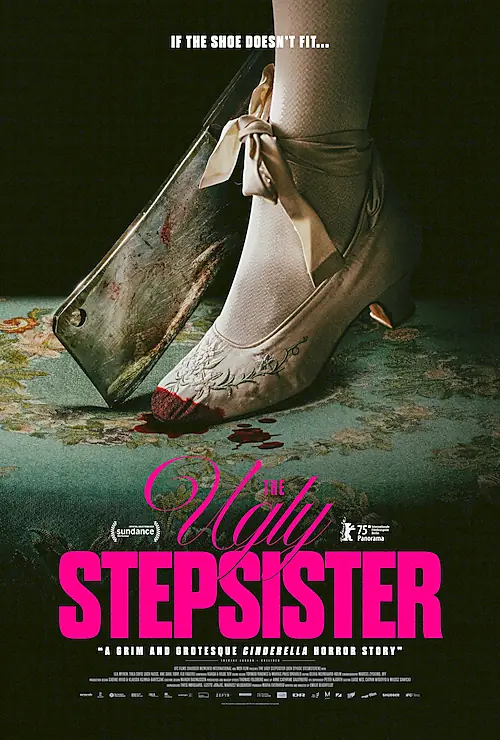 | Elvira (Lea Myren) has had enough of living in the shadow of her stunningly beautiful stepsister Agnes (Thea Sofie Loch Næss). To attract the attention of Prince Julian (Isac Calmroth), the most sought-after bachelor in the entire kingdom, she is willing to use any means necessary. Using blood, sweat, and tears, Elvira stops at nothing to win the prince for herself. |
| |
 | |
| |
 | |
| |
 | |
| |
 | |
| |
 | |
 | |
| |
 | |
 We also recommend: